Email Marketing for Service Businesses: Stay Top of Mind Between Jobs
February 24, 2026 · Joshua Filani
Most home-service companies pour money into finding new customers and almost nothing into staying in touch with the ones they already served. That is backwards. The homeowner whose AC you tuned up last October already trusts you. The only reason they call a competitor next spring is that they forgot your name. Email marketing is the cheapest, most reliable way to make sure they don't.
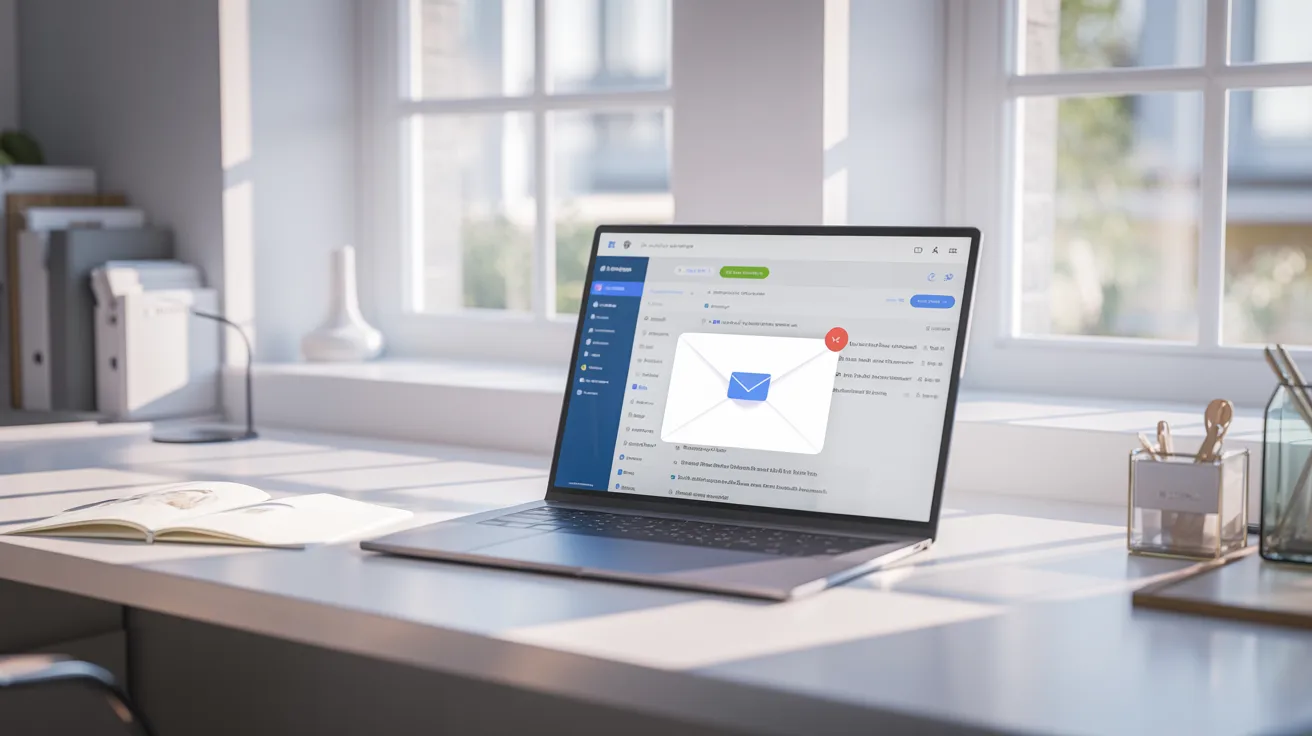
Email marketing is the practice of sending targeted, permission-based messages to a list of past and prospective customers to drive repeat business, referrals, and reactivation. For HVAC, plumbing, and other service businesses, it is less about newsletters and more about showing up in the inbox at the exact moment a homeowner is about to need you again. Done well, it turns a one-time job into a multi-year relationship.
The return is hard to argue with. According to Litmus (2020 State of Email), email marketing returns about $36 for every $1 spent in the US — a level of efficiency no paid channel comes close to. For a service business sitting on a database of past customers, that database is not an archive. It is a revenue stream you have already paid to build.
Why past customers matter so much
A homeowner who has already hired you has crossed the hardest hurdle in service marketing: trust. They have seen your trucks, met your techs, and paid your invoice. Reaching them again costs a fraction of what it costs to win a stranger through ads. The job of email is simply to keep you top of mind until the next need arises — and in HVAC and plumbing, the next need always arises.
Want a free audit of your own site?
Send us your website and we will review your Google, website and lead tracking, then email you what to fix first. No pitch.
Free. Read-only. We change nothing on your site.Maintenance Reminders: The Workhorse of Service Email
The single highest-value email a service business can send is a maintenance reminder. Heating and cooling systems need seasonal tune-ups. Water heaters, softeners, and drains need periodic attention. A homeowner rarely remembers these schedules on their own — but a well-timed email does the remembering for them.
Tie reminders to the service cycle, not the calendar alone
The most effective reminders are triggered by a customer's own history. If you serviced a furnace in November, a reminder for an AC tune-up the following March lands exactly when it is useful. This is the difference between a generic blast and a message that feels like a helpful nudge from a company that knows the customer.
- Pre-summer AC tune-up — sent in early spring, before the first heat wave
- Pre-winter heating check — sent in fall, ahead of the first cold snap
- Annual plumbing or water-heater inspection — tied to the anniversary of the last service
- Filter or part replacement reminders — timed to the typical lifespan of the component
Seasonal Offers That Match Demand
Service demand is seasonal, and email lets you lean into the calendar. The goal is to fill the schedule during predictable lulls and capture demand before competitors do during the rush.
Time offers to the slow season
Booking a discounted tune-up in the shoulder months — before peak demand — benefits both sides. The homeowner avoids the emergency-call premium, and you smooth out the feast-or-famine cycle that plagues most service businesses. A spring AC special or a fall furnace check sent to your existing list fills calendar gaps with people who already know your work.
Keep the offer specific and relevant
A subject line that names the season and the service ("Your spring AC tune-up is due") consistently outperforms a vague "check out our news" message, because it answers a real question the homeowner has. Specificity is what separates a useful email from spam in the reader's mind.
Reactivating Past Customers Who Went Quiet
Every service business has a segment of customers who used them once and then drifted. They are not unhappy — they simply have no reason to think of you until something breaks, and when it does, they Google rather than scroll their inbox. A reactivation sequence brings them back before that moment arrives.
What a reactivation sequence does
- Identifies customers who have not booked in 12 or more months
- Sends a short series of emails — a check-in, a reminder of services due, and a modest incentive to rebook
- Re-establishes your name as the obvious first call when the next need hits
Because these are warm contacts rather than cold prospects, reactivation campaigns are among the most cost-effective marketing a service business can run. You are not buying attention; you are reminding people who already chose you once.
Segmentation: Sending the Right Message to the Right Customer
The fastest way to make email underperform is to send everyone the same thing. A homeowner who hired you for a water heater does not need a furnace reminder, and a one-time emergency caller should not get the same message as a loyal annual-maintenance customer. Segmentation — dividing your list by service type, recency, and value — is what makes each email feel relevant.
The payoff is measurable. Klaviyo's segmentation benchmark research finds that highly segmented email sends drive substantially more revenue per recipient than unsegmented blasts to an entire list. For a service business, useful segments usually include:
| Segment | How to define it | What to send |
|---|---|---|
| By service type | HVAC, plumbing, electrical, etc. | Reminders and offers relevant to that system only |
| By recency | Last service date | Maintenance reminders timed to the cycle |
| Lapsed customers | No booking in 12+ months | Reactivation sequence with an incentive |
| High-value / loyal | Repeat or maintenance-plan customers | Priority scheduling, referral asks, loyalty perks |
Want a free audit of your own site?
Send us your website and we will review your Google, website and lead tracking, then email you what to fix first. No pitch.
Free. Read-only. We change nothing on your site.Open Rates and What to Realistically Expect
One reason owners hesitate on email is the assumption that "nobody reads it anymore." In practice, people read messages from companies they have already hired — especially when the subject line is specific and relevant. Industry benchmarks bear this out: CUFinder's construction-industry benchmarks put the average email open rate for the construction sector at about 22.5%.
That number is an average across cold and warm sends. Emails to past customers — people who recognize your name and have a relationship with you — tend to perform better than a generic industry average, because relevance and recognition both work in your favor. The lesson is not to chase a specific percentage but to send messages worth opening: timed to a real need, addressed to the right segment, and clear about what to do next.
How to Run This Without Adding Work
The most common objection is time. Owners and office managers are already stretched, and "write a marketing email" never makes it to the top of the list. The answer is automation. Once the sequences are built — maintenance reminders, seasonal offers, reactivation, post-job follow-up — they run on their own, triggered by each customer's service history. You approve the plan; the system handles the sending.
Email also works best as part of a connected follow-up system rather than a standalone tool. Pairing it with text messaging catches the people who skip their inbox, and tying both into your customer records keeps the timing accurate. A few resources to go deeper:
- SMS marketing for service businesses — when a text outperforms an email
- Automated follow-up sequences for contractors — the post-job series that earns reviews and rebookings
- CRM automation for service businesses — keeping customer data clean enough to segment
Getting Started
If you have a list of past customers — even a messy spreadsheet of names and emails pulled from invoices — you already have the most valuable marketing asset in your business. The work is consolidating it, segmenting it, and putting a few automated sequences in place so that your name is the one homeowners remember when the AC quits in July.
Want to see where the gaps are in your current follow-up? Run an instant audit of your online presence, or book a free marketing audit and we'll map out exactly which email sequences would move the needle for your business. Call The Valley Marketing Group at (623) 343-3141 to get started.
Want to know what is actually broken on your site?
We audit your website, your Google Business Profile and your ad account, then send you a written report inside 24 hours. No pitch, no pressure — you get the plan whether you hire us or not. Start your free audit, see what we charge, or call (623) 343-3141 and talk to a person.
We are based in Phoenix and work with service businesses across the Valley — Mesa, Gilbert, Chandler, Tempe, Scottsdale and Phoenix.
Everything Valley Does
AI marketing agents and full website builds — all under one roof.
Serving service businesses across the Phoenix Valley
Free tools
How Valley Can Help
We Help Businesses Like Yours Get More Leads — and Close More of Them
The Valley Marketing Group is a Phoenix-based marketing agency specializing in AI-powered lead generation, paid advertising, and web development for local service businesses.
- Google Ads & paid search — campaigns built to generate qualified leads, not just clicks
- AI phone receptionist — never miss a call or lead while you're on the job
- Website design & development — WordPress, Webflow, Shopify, WooCommerce
- SEO content & local search — rank for the searches your customers are already making
Not Sure Where to Start?
We'll look at your website, ads, and Google Business Profile for free and show you the highest-impact fixes for your business.
No generic report. No obligation.
Get My Free Audit