Most Leads Do Not Buy on the First Call — Your Follow-Up Is Everything
March 24, 2026 · The Valley Marketing Group
Most homeowners do not hire a contractor on the first conversation. They get a quote, they get busy, and they intend to circle back — and then life happens. The contractor who stays gently in the conversation is usually the one who gets the job, not because their price was lowest, but because they were still there when the homeowner was finally ready to decide.
For HVAC companies, plumbers, and home-service contractors in the Phoenix Valley, the gap between sending a quote and winning the job is where most revenue quietly leaks away. The fix is not working harder or making more cold calls. It is a structured, automated follow-up sequence — a series of timed text and email touches that nurture a lead after the initial contact, follow up after a quote, and win back leads that have gone quiet.
An automated follow-up sequence is a pre-built series of messages — across text and email — that is triggered when a lead comes in or a quote is sent, and continues on a set schedule until the prospect books, replies, or opts out, so no lead is forgotten and no follow-up depends on someone remembering to make a call.
Speed matters first, then persistence
Before any follow-up sequence runs, the first response has to be fast. Research from Harvard Business Review found that contacting a web lead within an hour makes a firm roughly seven times more likely to have a meaningful conversation that qualifies the lead — yet only 37% of companies responded within that hour. A good follow-up system protects both ends: it answers fast, then keeps the conversation alive.
Why Following Up Is Where Contractors Win or Lose
Two things have to go right after a lead reaches out. First, someone has to respond quickly. Second, someone has to keep responding over the days and weeks that follow. Most small contractors do neither consistently, not because they do not care, but because they are on a roof or under a sink when the lead comes in.
Slow first responses cost jobs
The data on response speed is striking. The widely cited Lead Response Management study (Oldroyd, analyzed with researchers from MIT and Kellogg) found that responding to a new lead within five minutes — versus thirty minutes — made a company about 100 times more likely to connect with the lead and about 21 times more likely to qualify it. For a contractor, the lead who fills out your form is very often filling out three other forms at the same time. Whoever answers first usually controls the conversation.
Missed calls are missed jobs
Home-service businesses lose a surprising amount of work to the phone simply going unanswered. According to Invoca, about 27% of inbound calls to home-services businesses go unanswered, and fewer than 3% of callers who reach voicemail actually leave a message. The rest simply call the next company on the list. An automated text-back the moment a call is missed — "Sorry we missed you, this is [Company], can we help with your AC?" — turns a hang-up into a live conversation.
The Three Jobs a Follow-Up Sequence Does
A complete follow-up system is really three sequences working together. Each one targets a different moment in the customer's journey.
1. New-lead nurture
This sequence fires the instant a lead comes in — a form fill, a missed call, a chat. The goal is speed and a clear next step: confirm you received their request, answer the obvious question, and offer a time to talk or book. This is where the five-minute response advantage lives.
2. Post-quote follow-up
After an estimate goes out, the sequence keeps the conversation warm without nagging. A short message a couple of days later to confirm they got the quote and ask if they have questions. A few days after that, something useful — a relevant review, a photo of similar completed work, or a note about scheduling availability. The point is to stay present and helpful while the homeowner makes up their mind.
3. Win-back and re-engagement
Quotes that never converted are not dead — many are simply stalled. A re-engagement sequence reaches out to older, unconverted leads with a fresh, low-pressure reason to reopen the conversation: seasonal timing, a maintenance reminder, or current pricing before a quote expires. This is found revenue from leads you already paid to acquire.
A Sample Follow-Up Cadence
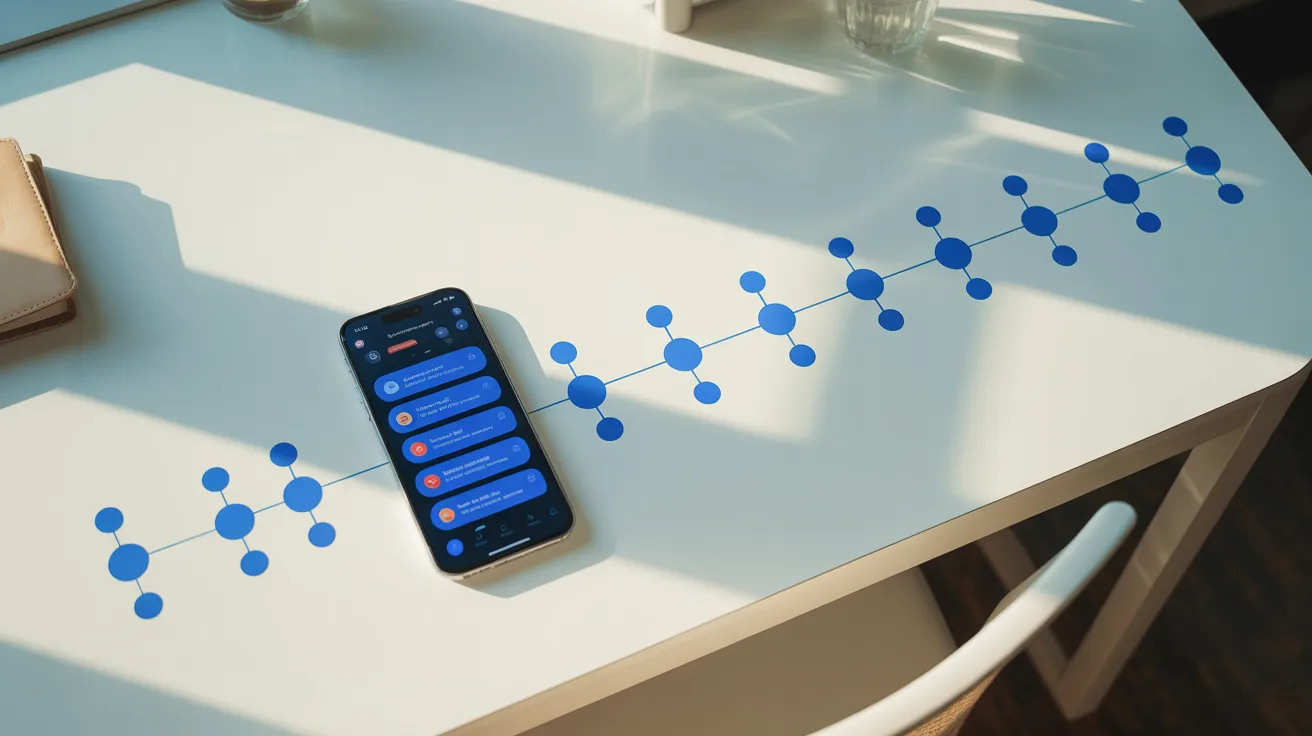
There is no single correct schedule, but a measured, multi-channel cadence over a few weeks works well for most contractors. The example below is a starting point you can adapt to your trade and average ticket.
| Touch | Timing | Channel | Purpose |
|---|---|---|---|
| 1 | Within 5 minutes | Text | Acknowledge the lead, confirm next step, offer a time to talk |
| 2 | Day 0 (quote sent) | Deliver the written estimate with a clear summary and call to action | |
| 3 | Day 2 | Text | Confirm they received the quote and ask if they have questions |
| 4 | Day 5 | Add value: a relevant review, a photo of similar work, or financing info | |
| 5 | Day 10 | Text or call | Check on timing and current scheduling availability |
| 6 | Day 18 | Gentle last note before the quote expires or pricing changes | |
| 7 | Day 45+ | Seasonal re-engagement for leads that went quiet |
Every message should be easy to reply to and easy to opt out of. The goal is a professional, helpful rhythm — not a barrage.
Why Automation Beats Sticky Notes and Good Intentions
Most contractors already "follow up" — in theory. In practice it depends on someone remembering, finding the right phone number, and having a free minute. Automation removes the human bottleneck so the follow-up actually happens every time.
- It is consistent. The system never forgets, never gets too busy, and never skips the awkward fourth touch where many jobs actually close.
- It is fast. Triggered messages go out in seconds, capturing the response-time advantage the research points to.
- It is measurable. You can see which touch produced the booking and refine the cadence over time.
- It compounds. Marketing automation tends to lift returns broadly — Salesforce reports that customers see roughly a 25% increase in marketing ROI after implementing automation (Salesforce State of Marketing).
What This Looks Like for a Phoenix-Area Contractor
The Valley has its own rhythm, and a good follow-up sequence is built around it.
- Homeowners delay, then rush. Many Valley homeowners get AC and outdoor-project quotes in spring and then scramble before summer heat arrives. A well-timed re-engagement message catches exactly that pattern.
- Seasonal residents move on their own timeline. Snowbirds often explore projects in winter and return ready to act later. A patient win-back sequence surfaces work that would otherwise go to whoever they happen to search next.
- High average tickets reward persistence. When an HVAC install or repipe runs into the thousands, even one additional closed quote a month from better follow-up more than pays for the system.
How to Get Started
You do not need to rebuild your operation to do this well. Most contractors start by connecting a follow-up system to their existing CRM and quoting tool, then layering in the three sequences above. If you are still piecing together your customer records, our guide to CRM automation for service businesses is a good next read, and our breakdown of speed-to-lead for service businesses covers the all-important first response in depth. For the texting side specifically, see our overview of SMS marketing for service businesses.
If you would rather have it built and running for you, our AI agents handle the fast first response, the quote follow-up, and the win-back outreach automatically — so every lead gets worked, even when your crew is in the field.
Automated follow-up sequence: A pre-built series of timed text and email messages, triggered by a new lead or a sent quote, that nurtures a prospect until they book, reply, or opt out — without anyone having to remember to make the call.
Win-back / re-engagement: A campaign that reaches out to older, unconverted leads with a fresh, low-pressure reason to reopen the conversation, recovering revenue from leads already paid for.
Speed to lead: The discipline of responding to a new inquiry as fast as possible — ideally within minutes — because response time strongly predicts whether the lead ever converts.
Want to see where leads are slipping through the cracks in your business? Get a free marketing audit from The Valley Marketing Group, or call us at (623) 343-3141. We will show you exactly where faster responses and a structured follow-up sequence would win you more jobs.