
Stop Playing Phone Tag: How AI Fills Your Calendar Automatically
April 14, 2026 · The Valley Marketing Group
It's Wednesday at 2:17 PM in Chandler. A homeowner needs a plumber. She calls your office, gets put on hold, leaves a voicemail. You call back at 4:30 — she's in a meeting. She calls back at 6 PM — you've left the office. She texts the next morning. By Thursday afternoon, after four touchpoints spread over 26 hours, you've finally confirmed a Tuesday window. Your competitor's AI booked the same type of job in 47 seconds flat on Wednesday night when a different homeowner found them on Google.
Phone tag is the silent killer of service business revenue. It's not dramatic — there's no single catastrophic failure — just a steady drip of friction that makes booking harder than it needs to be, that gives customers time to find someone easier to reach, and that consumes your team's hours with back-and-forth that produces no value.
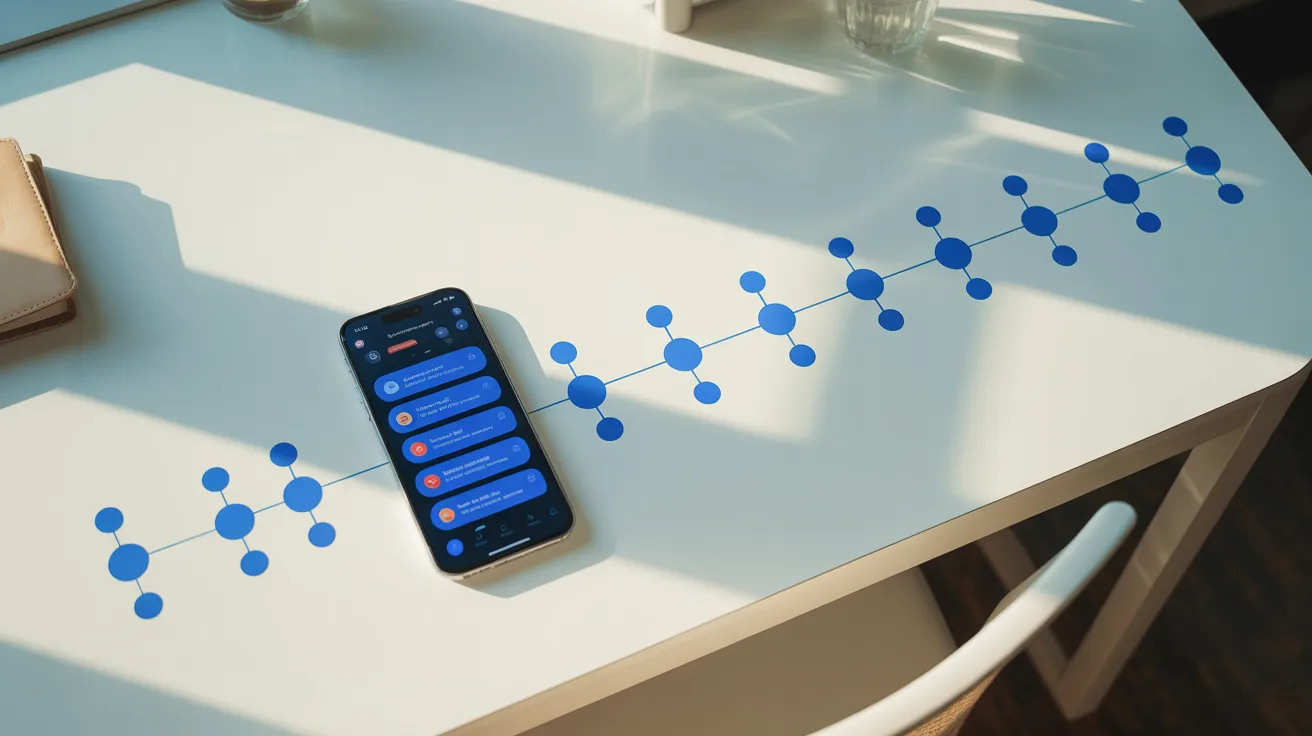
AI appointment booking eliminates phone tag entirely. The customer books directly from a conversation — phone, chat, or web — in real time, with no human required. The system knows your availability, your service zones, your job durations, and your scheduling rules. It books the right slot and moves on.
The Friction Cost
Each additional touchpoint in a booking process reduces conversion probability by approximately 23%. A 4-touchpoint booking process (the phone-tag scenario above) converts at roughly 35% of what a same-session booking achieves.
Every step you add between "I want to book" and "it's booked" costs you real money.
Booking Method Comparison
| Booking Method | Avg Time to Book | Touchpoints | Conversion Rate | Customer Satisfaction |
|---|---|---|---|---|
| Phone tag (standard) | 18–32 hours | 3–6 | 38% | 2.9/5 |
| Online form | 4–12 hours | 2–3 | 51% | 3.4/5 |
| Human live chat | Under 10 min | 1–2 | 67% | 4.1/5 |
| AI appointment booking | Under 2 min | 1 | 84% | 4.6/5 |
The Revenue Math on Reduced Friction
What AI Booking Looks Like in Real Time
Case Study: Surprise HVAC Company, Seasonal Tune-Up Push
"We used to dread the spring call blitz. This year, the AI handled all of it. My office manager didn't take a single scheduling call for two weeks."— Owner, Surprise HVAC company
Why Phoenix Is Different
- Seasonal crush is real: Pre-season HVAC tune-up demand in April and October creates a scheduling tsunami. AI booking handles volume spikes that would overwhelm any human scheduler.
- New construction = new customers: Buckeye, Goodyear, and Queen Creek are adding thousands of new homeowners per year who expect digital-first booking. They're not going to call and leave a voicemail.
- Multi-trade households: Phoenix homeowners with pools, tile roofs, and desert landscaping often need multiple trades. AI booking that captures one job and upsells a related service call at the same time increases average ticket without adding friction.
- Extended service windows: Phoenix service companies often run 7 AM–7 PM in summer. AI booking fills those extended windows efficiently without staffing up the office.
3 Objections We Hear
What You Get
- Real-time calendar sync: Connects to your existing scheduling system — never shows unavailable slots
- Multi-channel booking: Works via phone, SMS, website chat, and email follow-up automatically
- Automated reminders: Sends confirmation, day-before, and 30-minute-prior reminders to reduce no-shows
- Custom job routing: Different job types get different time blocks, different techs, or different booking flows
- Instant CRM logging: Every booking logged with customer info, job type, and scheduled time
- No-show recovery: Automatically reschedules or follows up if a customer misses their window
Scheduling Friction: Any step in the booking process that increases the effort required from the customer — hold times, callbacks, voicemails, back-and-forth messages — each of which reduces the probability of the booking completing.
Real-Time Calendar Sync: A live connection between the AI booking system and the company's scheduling platform, ensuring availability shown to customers is always accurate and preventing double-bookings.
Seasonal Volume Spike: A predictable surge in inbound service demand tied to seasonal conditions — notably HVAC in Phoenix in April (pre-season) and again in June (first heat wave) — that AI systems handle at scale without staffing increases.